
Navigating the complexities of specialized item disposal can be a daunting yet essential task. As you seek solutions for hot tub removal, understanding the unique requirements and regulations tied to such processes becomes crucial. The artful precision needed when learning how to get rid of a mattress, for instance, demands an understanding of your local waste management protocols. Similarly, appliance disposal requires you to ensure the responsible handling of items to avoid landfill overflow and environmental harm. For those of you wondering how to dispose of a couch, engaging with local recycling programs or donation centers is a sustainable choice. Mastering this art involves a balance of environmental consciousness and regulatory compliance in discarding these larger, cumbersome items thoughtfully.
Understanding Specialized Item Disposal
When confronting the challenge of disposing specialized items, it’s crucial to understand the intricacies tied to each object’s removal process. Recognizing that not all items are discarded in the same manner helps you appreciate the logistics and foresight needed. For example, hot tub removal involves more than simply hauling it to the curb, as it may require disassembly and special transport due to its size and components.
Looking at the task of disposal through the lens of environmental impact, we can see that improper disposal can lead to pollution and wasted resources. In the case of how to dispose of a couch, options such as recycling or donation can significantly reduce waste. These choices not only benefit the environment but also extend the utility of items that are still in good condition.
With appliance disposal, there is a key emphasis on the proper handling of potentially harmful components. Learning how to get rid of a mattress involves not just removal, but ensuring that materials like metal springs and fabric are processed correctly. These materials, if disposed of improperly, can contribute to landfill issues or environmental damage.
Understanding specialized item disposal is vital in making informed decisions that align with both community regulations and personal values. Each disposal method reflects a commitment to sustainability and responsibility, urging you to consider both immediate and long-term effects.
Disposing of Hot Tubs Efficiently
Efficient disposal of hot tubs requires consideration and planning due to their size and complexity. The initial step involves disconnecting all utilities such as water and electricity. Once drained and dried, the hot tub’s size demands cautious disassembly to facilitate transport. Each component, from the shell to the motors, must be handled with care to avoid potential damage to property or individuals.
Utilizing professional services for hot tub removal can alleviate many challenges. These experts possess the tools and expertise necessary to dismantle and transport the unit effectively. They ensure every piece is recycled or disposed of according to local regulations, minimizing environmental impact. This approach also often provides peace of mind, knowing that the disposal process is safely managed.
One unpopular opinion about hot tub removal suggests that it’s better to repurpose rather than remove when possible. Transforming an old hot tub into a garden pond or raised planter bed can offer a creative solution for reuse. Although not conventional, repurposing aligns with eco-friendly practices, reducing waste and breathing new life into old materials without necessitating a full disposal.
If repurposing doesn’t align with your needs, contacting local waste management or recycling centers is crucial. Hot tubs contain various materials such as fiberglass and metals, which should be recycled properly to prevent environmental hazards. Recycling centers can provide information on how to handle these materials effectively, ensuring that the components are repurposed safely.
Considering disposal options like sales or donations can also be effective, especially if the hot tub is still functional. Platforms like online marketplaces allow you to connect with buyers interested in either using or refurbishing the unit. This method emphasizes sustainability, offering a cost-effective alternative that benefits both the owner and the environment.
Mattress Disposal Made Simple
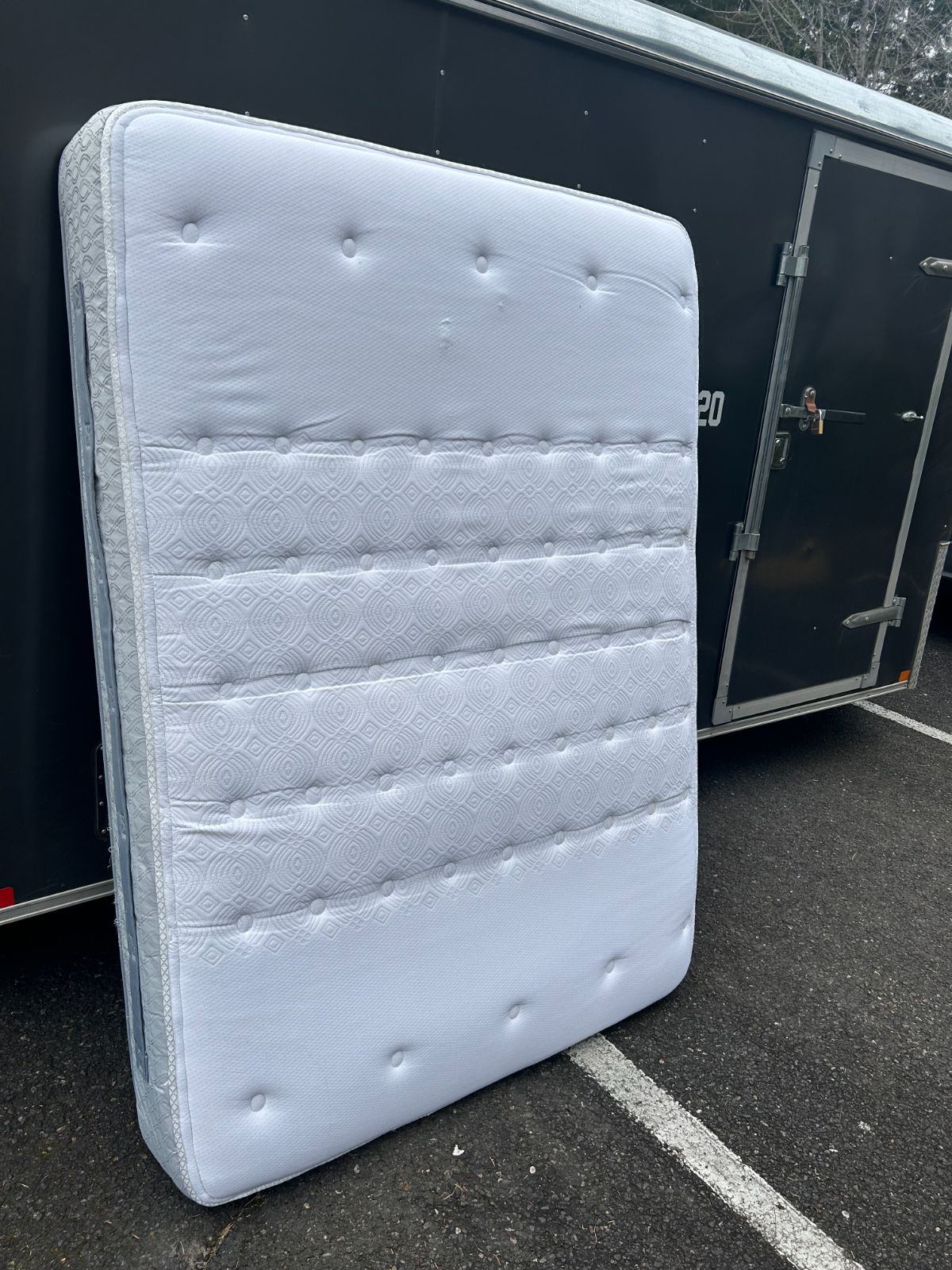
Wondering how to efficiently manage mattress disposal? With mattresses being cumbersome and not suited for standard waste disposal services, understanding your options can ease the process. A crucial first step is checking local recycling programs, as many communities offer specific services to handle old mattresses. These facilities ensure materials like foam, metal springs, and fabrics are repurposed, reducing landfill impact.
How does mattress disposal impact environmental sustainability? By opting for recycling, you contribute to reducing waste in landfills, promoting the reuse of valuable materials. Programs dedicated to recycling these items help break down mattresses into their raw components, allowing materials to find new life in various products. This approach not only tackles waste but also supports community recycling initiatives.
In cases where recycling isn’t available, consider donation as an alternative. Many charitable organizations accept gently used mattresses, offering them to those in need. Before donating, ensure the mattress is clean and in good condition, as hygiene standards must be met. This act of goodwill can significantly benefit individuals while addressing the disposal challenge.
Another viable option is hiring a professional mattress removal service. These companies are equipped to handle the logistics of taking away bulky items from your home. They ensure mattresses are disposed of appropriately, whether through recycling or disposal methods that comply with environmental standards. Using these services can provide convenience and efficiency, freeing you from the physical task.
Whether you opt to recycle, donate, or hire professionals, understanding how to get rid of a mattress with minimal hassle leads to sustainable outcomes. By considering these options, you’re contributing to a cleaner environment and supporting initiatives that prioritize responsible waste management. Each action reinforces the move towards more sustainable disposal practices for specialized items like mattresses.
Sofa Disposal Techniques
Disposing of a sofa involves several techniques that balance practicality and environmental responsibility. A popular choice is utilizing donation services provided by charitable organizations. Many will pick up the sofa directly from your home, provided it’s in decent condition. This option not only eases the disposal process but aids those in need, extending the life of the furniture and promoting sustainable use.
Comparing the donation route to recycling, donating can have a more immediate social benefit. Recycling centers, on the other hand, break down the sofa into recyclable parts, such as wood and fabric. This method actively contributes to reducing landfill waste and encourages the repurposing of raw materials. Deciding between these options often depends on the sofa’s condition and your environmental priorities.
Professional removal services offer another avenue for how to dispose of a couch effectively. These services manage the labor-intensive task of transporting the sofa and ensure compliance with disposal regulations. This method provides convenience and ensures that the sofa is either recycled or disposed of properly, aligning with eco-friendly practices. Carefully selecting a technique that fits your needs can simplify the process and maximize environmental benefits.
Finding the Right Disposal Services
Identifying the appropriate disposal services for specialized items like hot tubs, mattresses, and sofas requires careful consideration of several key factors. Start by evaluating the reputation and reliability of the service. Online reviews and testimonials can offer insights into the experiences of previous clients, helping you gauge the professionalism and efficiency of the service providers you are considering.
The cost of service is another crucial factor to consider. Ensure you get clear and detailed quotes from potential services to avoid unexpected fees. Comparing costs between different providers can help you find the most cost-effective option. Be sure to factor in any additional services offered, such as pickup, dismantling, or cleaning, which can add value to your choice.
Finally, assess the specific services offered concerning the items you need to dispose of. Some companies specialize in certain types of disposal, such as appliance disposal, while others may offer broader services, including how to get rid of a mattress or hot tub removal. Selecting the right service tailored to your needs ensures a seamless and responsible disposal experience.
The Dos and Don’ts of Specialized Disposal
When embarking on specialized disposal, it’s crucial to follow certain dos and don’ts to ensure a smooth process. Always do your homework by understanding local guidelines for the disposal of items like hot tubs, mattresses, and sofas. Adhering to these rules can prevent legal issues and promote environmentally responsible disposal practices.
A key don’t is to avoid neglecting the environmental impact of improper disposal. Illegal dumping of items such as couches or appliances can harm ecosystems and lead to significant fines. Instead, use designated facilities that are equipped to handle such disposals, ensuring a process that is safe for the environment.
In the next few years, specialized disposal practices are likely to integrate more digital solutions, making the process more accessible and efficient. With advances in smart technologies, automated systems could optimize sorting and recycling, reducing human error and increasing material recovery rates. Staying updated with these trends will help you make informed and sustainable choices.
Another crucial do is to consider all your disposal options, from recycling programs to professional removal services. Explore avenues like donations or freecycling for items still in good condition. These alternatives not only maximize the items’ usefulness but also contribute positively to community sustainability efforts.