
Disposing of bulky items like hot tubs, mattresses, sofas, and appliances can often seem daunting, given their size and weight. Opting for smart solutions ensures the process is seamless and environmentally friendly. To tackle hot tub removal, consider hiring a professional service to handle the dismantling and transportation. For those wondering how to get rid of a mattress, recycling centers can often accept them, providing a sustainable alternative. When faced with appliance disposal, local charities might accept gently used items, benefiting those in need. As for how to dispose of a couch, arranging a curbside pickup with your waste management provider can be an efficient choice, often requiring only a simple schedule. These strategic approaches not only make bulky item removal manageable but also promote responsible disposal, keeping the environment in mind.
Understanding the Challenges of Larger Household Items
Dealing with larger household items can present numerous challenges, primarily due to their size and weight. Hot tubs, for instance, require careful dismantling and handling to ensure safe and efficient removal. Similarly, figuring out how to get rid of a mattress can be complicated by the need to avoid landfill disposal and find suitable recycling facilities. Couch disposal also involves logistics, particularly when considering how to dispose of a couch in urban settings with limited curbside space.
The practicalities of appliance disposal involve ensuring that items are not only moved but also repurposed, ensuring environmental considerations are prioritized. Many communities have restrictions on disposal methods, and improper handling can lead to fines or other difficulties. These obstacles necessitate a deeper understanding of regulations and proper disposal techniques to avoid pitfalls.
In the next few years, the disposal of bulky household items is likely to become more streamlined with advancements in recycling technologies and services. The rise in eco-friendly disposal services suggests a shift towards more sustainable practices, reducing the environmental impact. Embracing such solutions can ease the burden of getting rid of large items, enabling a smoother, more responsible approach to household waste management.
Environmental Impacts of Improper Disposal
Improper disposal of large household items such as hot tubs, mattresses, and sofas has significant environmental repercussions. When these items end up in landfills, they contribute to pollution, releasing chemicals and toxins as they break down. For example, hot tub removal should be conducted with care to prevent materials like fiberglass and insulation from leaching into the soil, impacting surrounding ecosystems negatively.
Discarded mattresses pose a unique challenge as they are composed of materials like steel, foam, and wood, which don’t degrade easily. Learning how to get rid of a mattress responsibly by opting for recycling can minimize landfill waste. Couch disposal, when done improperly, not only adds to litter but can also contribute to air pollution if incinerated without proper controls.
The current state of bulky item disposal shows an increasing trend towards sustainable practices, driven by growing awareness of environmental consequences. Communities are increasingly prioritizing eco-friendly methods, with many advocating for take-back programs and improved recycling facilities. This shift highlights the importance of adopting responsible disposal solutions to reduce detrimental effects on the planet while supporting a more circular economy.
Preparing for Disposal: A Step-by-Step Guide
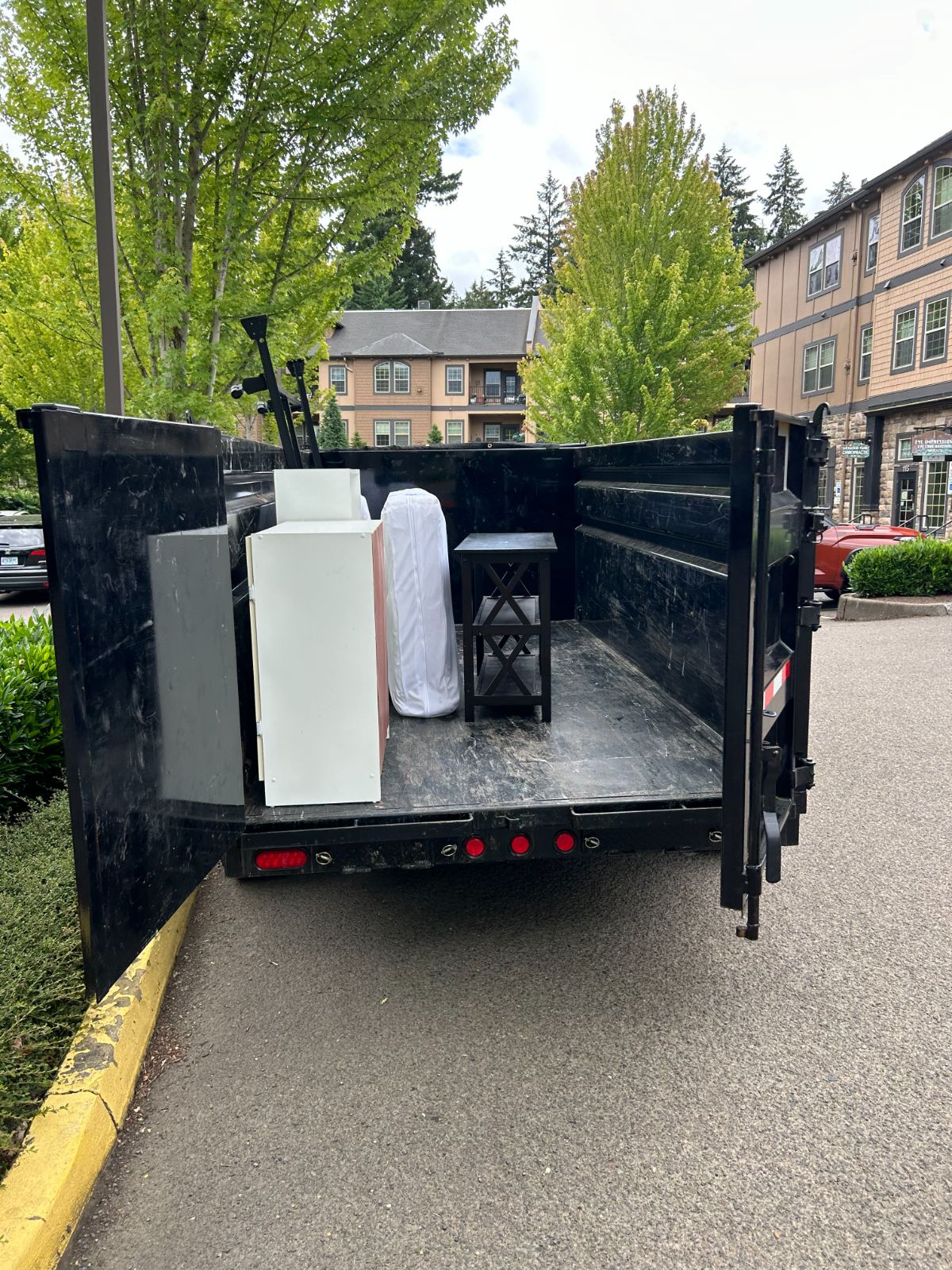
Preparing for the disposal of large household items involves several meticulous steps to ensure efficiency and environmental responsibility. Start by assessing the item’s condition to determine the most appropriate disposal method. For hot tub removal, ensure all electrical components are safely disconnected and the unit is thoroughly cleaned. When considering how to get rid of a mattress, examine whether it can be donated if still in good condition, or investigate nearby recycling centers.
Disassembling larger items can aid in transportation and disposal. Break down items like couches and appliances into manageable parts, keeping metal, wood, and upholstery separate for recycling. You can also plan ahead for appliance disposal by contacting local waste management services to understand curbside pickup schedules or drop-off locations. Being organized enhances the disposal process, making it less burdensome.
To truly master the art of disposal, you need to shift your mindset from viewing it as a burdensome task to an opportunity for environmental stewardship through effective recycling and reusing. This change in perspective encourages you to adopt proactive disposal practices, reducing waste and promoting sustainability. In doing so, you contribute to a cleaner environment, showcasing responsibility and foresight in managing household waste.
Disposing of Hot Tubs Efficiently
Efficient hot tub removal begins with planning and preparation. Start by draining the water completely to prevent spillage during the process. Ensure you have all the necessary tools and safety equipment, such as gloves and protective eyewear, to handle dismantling. Disconnect the electrical supply and carefully remove panels and other components to access the inner structure.
Consider enlisting the help of professionals experienced in appliance disposal to handle the heavy lifting and transportation. Given the bulky nature of hot tubs, having a skilled team can expedite the process and reduce the risk of injury.
Once dismantled, assess the materials for recycling. Many parts, such as pumps and metal components, can be recycled, thereby minimizing waste. By strategically separating these materials, you enhance the efficiency of the disposal process. This approach contributes to a more sustainable cycle, emphasizing environmental consciousness.
Engage with local waste management services to explore disposal options. Many areas offer designated facilities for large items like hot tubs, providing a streamlined solution. Awareness of community resources ensures that disposal efforts align with environmental guidelines, supporting a cleaner and more sustainable ecosystem. Embracing these methods illustrates a commitment to responsible waste handling and environmental stewardship.
Eco-Friendly Ways to Dispose of Mattresses
Eco-friendly disposal of mattresses involves exploring options beyond simply discarding them in landfills. One valuable approach is to donate mattresses in good condition to local charities or shelters, providing resources for those in need while reducing waste. For damaged mattresses, recycling centers can break down materials like springs, foam, and fabric for reuse, significantly decreasing environmental impact.
Investigating local recycling programs can provide innovative solutions to mattress disposal. Many cities now have dedicated facilities that specialize in recycling large household items, facilitating more sustainable waste management. These centers often partner with businesses to transform old mattresses into usable materials, promoting a circular economy.
In the next few years, mattress recycling is likely to become even more accessible due to enhancing technologies and increasing consumer demand for sustainable options. With rising awareness and regulations around eco-friendly practices, the infrastructure for recycling bulky items is expected to expand. This shift empowers communities to adopt greener disposal habits, fostering a healthier planet.
Raising awareness of recycling benefits encourages more people to opt for sustainable methods. Public education campaigns focusing on how to get rid of a mattress responsibly enhance community participation and environmental contribution. Engaging in eco-friendly disposal not only protects the planet but also supports a culture of environmental responsibility.
Sofa Disposal Without the Hassle
Disposing of a sofa without encountering unnecessary hassle requires strategic planning and a clear understanding of available options. Begin by inspecting its condition to determine whether it could be donated to charity organizations or nonprofits. If the sofa is still in usable condition, this option not only helps individuals or families in need but also contributes to a more sustainable approach to disposal.
For couches that are beyond repair, recycling offers a practical solution. Many materials, like wood and metal, can be repurposed, minimizing environmental impact. Contact local waste management services to understand how to dispose of a couch efficiently through recycling programs. They guide you on the best approach, streamlining the disposal process with minimal effort.
What most people don’t see about sofa disposal is the intricate recycling ecosystem behind the scenes that separates and processes materials for reuse. This network not only helps in reducing landfill overflow but also recovers valuable resources that contribute to manufacturing new products. Engaging this system ensures responsible handling of large items, reflecting commitment to environmental stewardship.
Engaging with removal services or recycling centers can also offer convenient pickup solutions, saving time and effort. By arranging for a seamless transfer from home to recycling centers, you alleviate transportation concerns and play an active role in eco-friendly waste management. Adopting such hassle-free strategies supports a cleaner, greener environment for future generations.